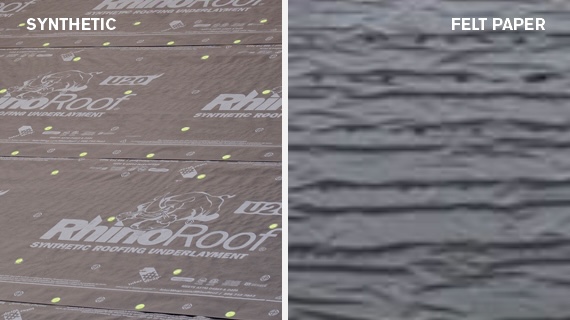
When it comes to replacing a roof, one important decision you need to make is choosing the right underlayment. Traditionally, tar paper has been the go-to choice for many homeowners. However, in recent years, synthetic underlayment has gained popularity due to its numerous advantages over tar paper. In this blog post, we will explore why synthetic underlayment is superior to tar paper when replacing a roof.
First and foremost, let’s talk about durability. Synthetic underlayment is designed to withstand extreme weather conditions, making it a more reliable choice for your roof. Unlike tar paper, which can easily tear or buckle, synthetic underlayment is engineered to be tear-resistant and has a high tensile strength. This means it can endure heavy winds, rain, and even hail, providing better protection for your home.
Moisture control is another crucial aspect that synthetic underlayment excels in. Tar paper may absorb moisture, leading to mold growth and rotting of the roof deck. On the other hand, synthetic underlayment is vapor-permeable, allowing moisture to escape. This prevents the accumulation of condensation, which can cause long-term damage to your roof structure. By choosing synthetic underlayment, you can ensure a healthier and more durable roof for your home.
Installation efficiency is yet another advantage of synthetic underlayment. It is typically lighter and more flexible than tar paper, making it easier to handle and install. Its larger roll size also means fewer laps and cuts during installation, saving both time and effort. Additionally, many synthetic underlayments come with pre-printed nailing patterns, facilitating accurate and uniform installation. These features make the roofing process more efficient and help reduce labor costs.
When it comes to safety, synthetic underlayment outshines tar paper as well. Tar paper is coated with asphalt, which can release harmful fumes when exposed to high temperatures during installation. Synthetic underlayment, on the other hand, is asphalt-free, eliminating the risk of noxious odors or health hazards. This makes it an eco-friendly and safer alternative for homeowners and roofing contractors alike.
Lastly, the lifespan of synthetic underlayment surpasses that of tar paper. While tar paper typically lasts around 15 to 20 years, synthetic underlayment can endure for up to 50 years or more, depending on the brand and quality. This increased lifespan translates into long-term cost savings, as you won’t have to replace the underlayment as frequently.
In conclusion, synthetic underlayment offers several advantages over traditional tar paper when it comes to roof replacement. Its durability, moisture control, installation efficiency, safety, and extended lifespan make it a superior choice for homeowners seeking a long-lasting, reliable, and cost-effective roofing solution. So, if you are planning to replace your roof, consider the benefits of synthetic underlayment and make an informed decision for the protection and longevity of your home.
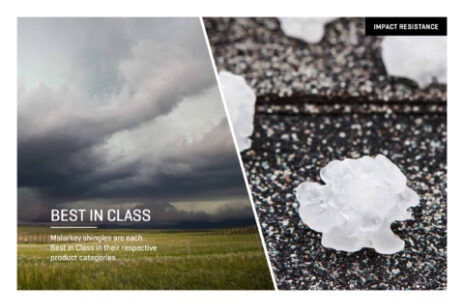
As a homeowner, protecting your property from harsh weather conditions is essential. One of the critical factors that can guarantee your roof’s durability and longevity is the quality of the shingles used. When it comes to roofing, impact rated shingles have become increasingly popular due to their significant advantages over standard roofing materials. In this blog post, we will discuss the advantages of an impact rated shingle on a residential home.
Increased Durability
Impact rated shingles are designed to withstand heavy impact from hail, strong winds or other weather conditions. They are made from materials like fiberglass or composite that offer more substantial protection from damage caused by hail, wind, and other impacts. Compared to standard shingles, impact rated shingles are three times more durable, ensuring that they will last much longer than ordinary asphalt shingles, which can crack or shatter during a storm.
Reduced Maintenance
Impact rated shingles are less prone to damage caused by weather conditions, meaning you will need fewer repairs and maintenance over time. This, in turn, can save you a considerable amount of money spent on routine maintenance costs.
Energy Efficiency
In addition to durability, impact rated shingles also offer better insulation, which can help reduce your energy bills. They keep your home warmer in the winter and cooler in the summer, reducing your reliance on heating and cooling systems, thus letting you save on energy costs.
Enhanced Curb Appeal
Impact rated shingles come in different colors and designs, providing homeowners with a range of options that can enhance their home’s curb appeal. These shingles are designed to complement different styles of homes, adding aesthetic value to your property.
Increased Home Value
Investing in impact rated shingles is an excellent way to add value to your home as these shingles provide a higher level of protection than regular shingles, making your home more attractive to potential buyers. Additionally, homes with impact rated shingles qualify for lower insurance premiums and may earn you valuable credits on your homeowner’s insurance.
In conclusion, investing in impact rated shingles is a smart decision that offers multiple benefits to homeowners. They provide increased durability, reduced maintenance costs, energy efficiency, enhanced curb appeal, and higher home value. When it comes to protecting your home, an impact rated shingle is an ideal solution that can help you save money while ensuring your property remains well protected from harsh weather conditions for years to come.
As someone who is planning to re-roof their shingle home, there are many options available when it comes to selecting the roofing materials. One of the most critical decisions you will make in this process is choosing the right materials for your valley area. The valley area is the most vulnerable part of your roof, as rainwater or snowmelt will accumulate and flow through this area. In the past, metal valley flashing was the only option available to protect the valley area from moisture damage. However, many homeowners today prefer to use Ice and Water Shield instead of valley metal. Let’s take a closer look at the advantages of using Ice and Water Shield.
Superior Protection Against Water Damage
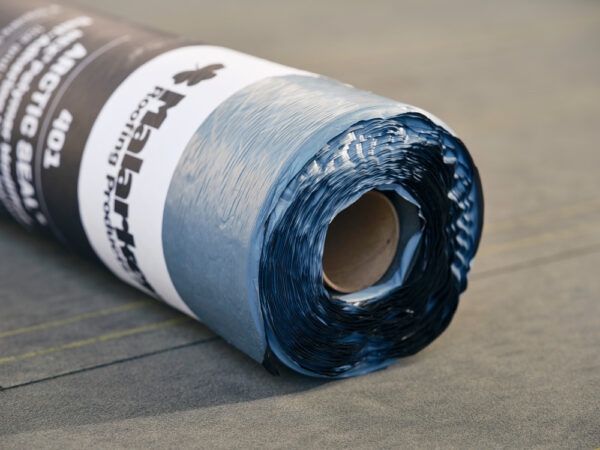
Ice and Water Shield is a unique type of roofing underlayment that is designed to provide superior protection against moisture damage. It is made from a self-adhesive rubberized material that is designed to adhere directly to the plywood decking of your roof. Once the product is installed, it forms a watertight seal that prevents water from seeping into your home. This is a significant advantage over valley metal flashing, which can sometimes be inadequate in its protection.
Easy Installation
Ice and Water Shield is incredibly easy to install. It comes in rolls that can be laid down directly on top of your existing roofing, making the installation process very easy and efficient. Moreover, it can be installed on almost any type of roof, regardless of whether it is steep or low-sloped. Installing valley metal can be somewhat more time-consuming and complicated, which may deter some homeowners from using it.
Long-Lasting Durability
Another significant advantage of Ice and Water Shield is its long-lasting durability. Once installed, it provides a barrier against the elements for many years, keeping your roof and home free from damage. It has superior resistance to rain, snow, and ice, making it ideal for areas that experience harsh winter weather. Moreover, it has excellent flexibility and will not crack or dry out, ensuring that it provides protection for many years.
In conclusion, while valley metal has been the traditional choice for protecting the valleys of a roof, today, more and more homeowners are opting for Ice and Water Shield. This superior material offers many advantages over valley metal in terms of its protection, ease of installation, and longevity. If you are contemplating a re-roofing project, you may want to talk to your contractor about including Ice and Water Shield in your roofing materials.
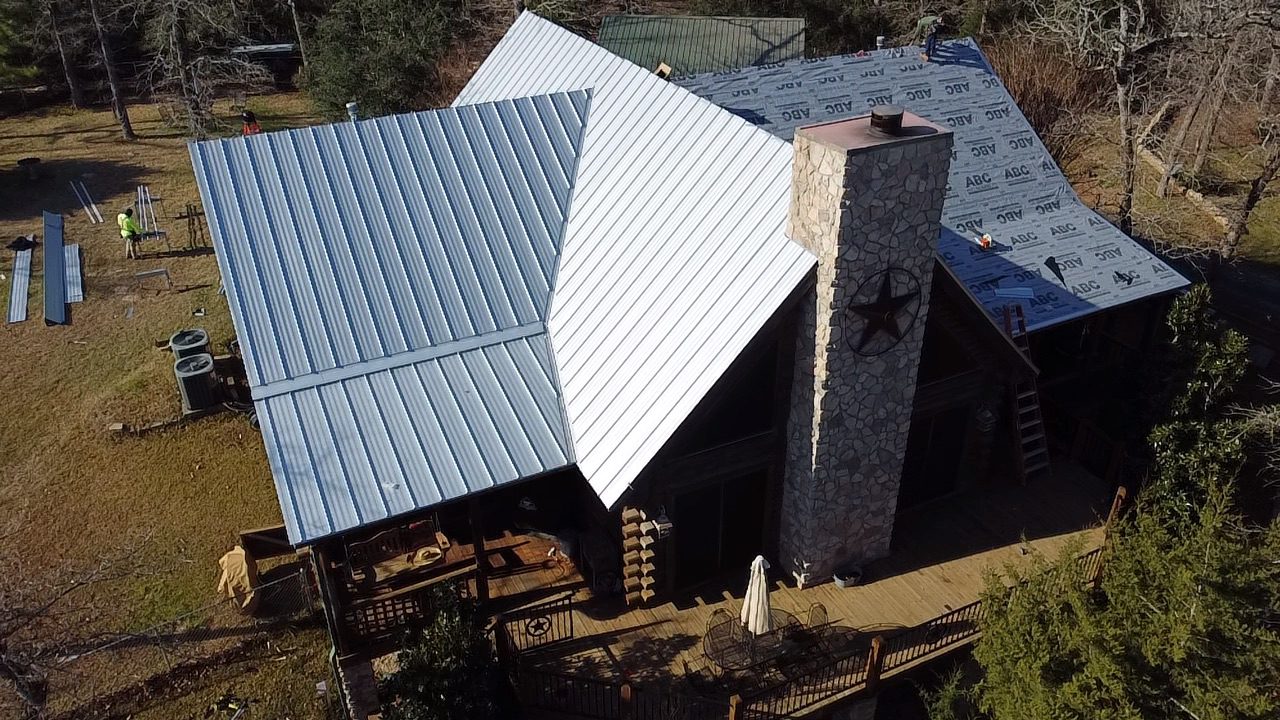
The benefits of metal roofs and the look of a metal roof on a home are well worth the investment a home owner can make. However, the cost is substantial due to the price of material and time it takes to install a metal roof properly. Often, home owners are short changed on the install technique and attention to detail when installing a metal roof. A metal roof installer can cut a lot of costs during an install in a number of ways that the home owner may not see for five to ten years. Here is a short list of items to consider, and a video showing a metal roof that was replaced because of a bad install.
Lifetime Screws on Exposed Fastener Roofs
Seam Tape Between the Panels
Removal of the Old Roof
Complete Dry in with Quality Underlayment
Ice and Water Shield Protection in Vulnerable Areas
If you have and further questions or would like more information about metal roofing click the link below.
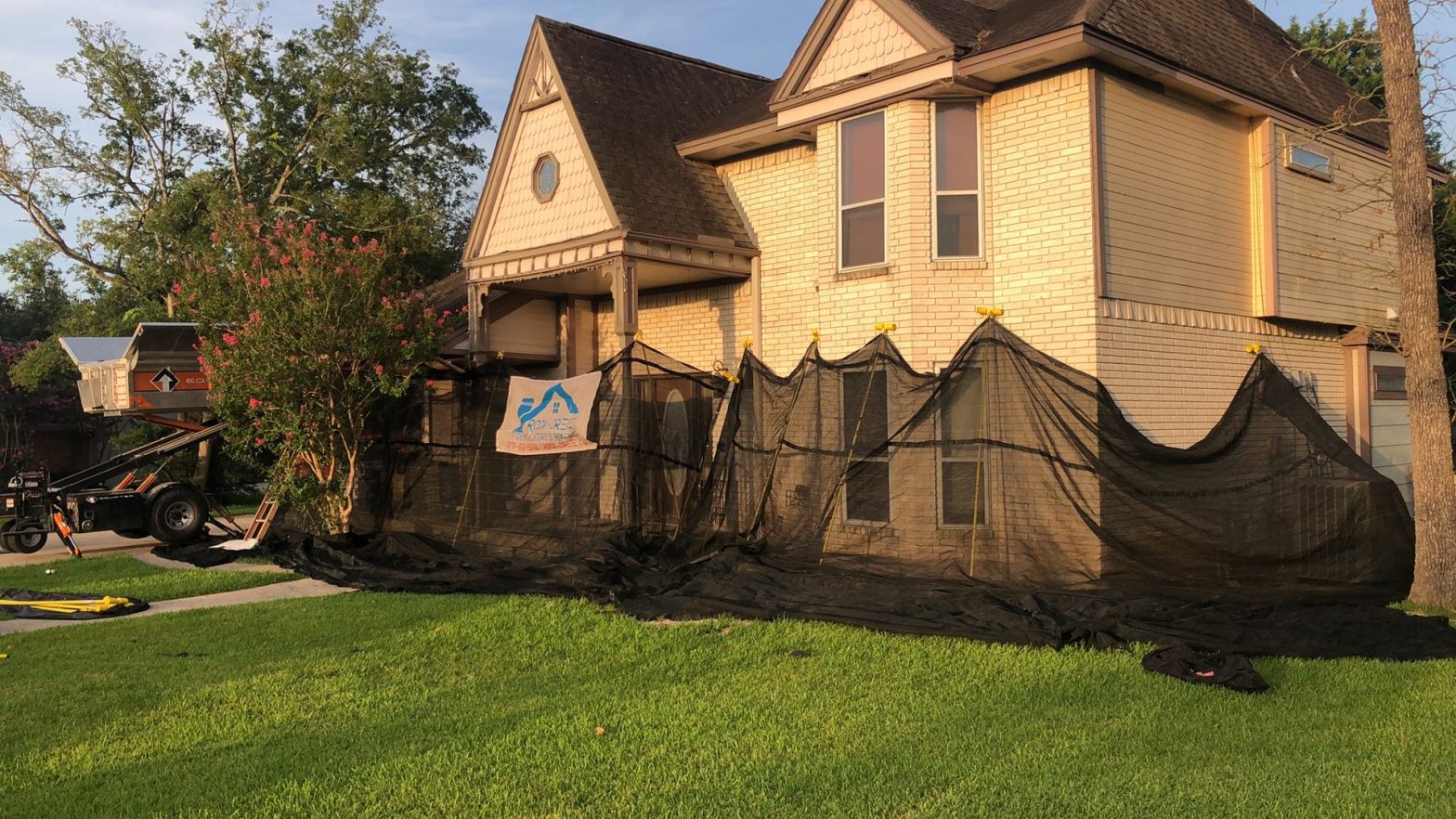
Anytime you have construction going on at your home, the mess is always the biggest concern.
For a clean job site and increased efficiency we have invested in our customers.
The Equipter is a self propelled small dump trailer specially made for the roofing industry. In the short video we illustrate how it helps our customers and crews with every job.
There are all types of shingles and manufacturers with all types of warranties from 25 to 50 year warranties, but some can help you avoid future deductibles.
Here is some insight into what to do, and how to help you cut through all the noise and claims that roofing companies pitch to you when a storm strikes your community.
Your deductible is based on a percentage of your premiums and the value of your home. Most are 1-3% of the value of your home. So if your house is worth 300,000.00, your deductible would be in the range of 3000.00 to 9000.00 depending on what you choose when visiting with your agent. Most homeowners would rather pay more on their monthly premiums in order to be on the lower end of the spectrum should an out of pocket expense arise and you have to contact your carrier for damage.
Let’s say you have damage from a hail storm, and you have a 30 yr architectural builder grade shingle, which most homeowners have on their home. You contact your carrier or a roofing company to come out for a roof inspection. You have damage and the carrier sends out an adjuster to handle your claim, and he adjusts for a full roof replacement! Great news and a relief to you as a homeowner, but wait you’re not out of the woods yet. You have to find a reputable contractor that will install the right shingle on your roof in order to protect the your family’s largest investment, your home. So you do what most people would do and you decide to get multiple bids, and the natural progression is to look at them lowest to highest. You have many things to take into consideration; reviews, years in business, your gut feeling, what types of shingles they install, and referrals from friends and famly.
In Texas, there is usually one contractor who will also offer to assist in helping with your deductible. Let’s give him a name for the purpose of this article; let’s call him “Chuck”. You think ,“Wow! what a great guy Chuck”, he is trying to help offset my out of pocket expense, which I agreed to pay when I signed on with my carrier. Chuck must not be as greedy as those other contractors. What to do now? First off, when this happens, you and the contractor are both breaking the law and committing insurance fraud. What Chuck is doing is putting you and your family at risk, you ask how?
Besides the obvious legal ramifications, let’s talk about the install. Ninety-Nine Percent of homeowners don’t know much about shingles, proper install, what affects warranties, or the warranties themselves. Let’s start with shingles, which can have a “no impact rating” up to a “class 4 impact rating”. A class 1, 2, 3, and 4 impact rated shingle is resistant to impact damage from hail, and they are classified through Underwriters Laboratory. We have all heard the definition of insanity, doing the same thing over and over and expecting a different outcome. Why do homeowners continue to put the same old types of shingles on in hail prone zones and are surprised the following hail season when their roof gets damaged again? They call “Chuck”, he comes out and we go through the whole process again dealing with the hassle of insurance and another roof install. Solution, go with an impact rated shingle like a “Malarky Vista” shingle class 3 impact rated that actually lowers your insurance premiums 12-15% per year. A roof that actually pays you back and prevents you from paying out future deductibles. So, “Chuck” offsets his expenses by installing cheaper builder grade shingles or surplus shingle he gets at a rock bottom price.
Also, Chuck tells you we never take off the old felt paper because it helps protect your home, but it will add another layer of felt for added protection. Three things just happened. First, he pays less on labor for tear off. Each layer of felt is more cost per square for tear off, do to more cleanup, nails, and weight at the dump. Second, he didn’t have to inspect your decking to make sure there wasn’t any rot to your plywood. Third, he has now saved the expense of the labor and materials to fix the decking. Chuck, is winning and you’re losing, but he is your buddy now, you thought. Chuck wouldn’t do that to me. It gets better from here. Five to eight years down the road, you start noticing shingle granules on your concrete driveway. You think that’s odd so you call “Chuck” and his number is disconnected because he is no longer in business, because “Chuck” didn’t understand that a business has to make a profit in order to stay viable and be there after the sale when warranty issues arise. You, as the home owner, call another reputable contractor that you researched last time. The contractor does his inspection, and sees that there are multiply layers of felt underneath your shingles. The contractor informs you that multiple layers of felt cause shingles to retain heat longer, and that causes the issue of premature granular loss that you are seeing on your driveway after heavy rains. You tell him “Chuck” said, that it was better to leave the felt when you replaced your roof last time around. What Chuck failed to tell you is that by leaving all the layers of felt there is no Manufacturer Warranty from the day that roof was replaced. The fine print for any manufacturer states that multiply layers of felt voids the warranty and the whole warranty process! Now you have no storm damage to file a claim on your home and you are stuck with a roof that is not going to last even close to the 30 years that “ Chuck “ told you it would. This in turn will cost you thousands of dollars in out of pocket expenses. In closing, it is illegal not to pay your deductible, and any reputable contractor will not even offer that as an option. Thank of it in this regards, if a contractor if willing to commit insurance fraud how trustworthy are they?
It comes down to pay for a proper install upfront, or pay somebody more to do it right later. With the price of roofing products skyrocketing, I would highly suggest using a reputable local contractor that will install an impact rated shingle in order to save on premiums and future deductibles.
Do you have trouble reading the paperwork that comes with a property claim?
This post and video will help home owners with storm damaged homes that are attempting to understand the paperwork that insurance companies send.
When insurance companies approve the repair or replacement of items on a home following storm damage they send a lot of paperwork. The paperwork can be a bit over whelming at first, but we hope to help with this video. Here are a few terms that may help as well. Please keep in mind these are our lay person definitions of these terms.
Replacement Cost Value (RCV) – The cost to replace an item following storm damage. This is often set by a industry standard that takes in consideration the date , location, and current types of materials on the property.
Depreciation – This is the loss of value over time. For example, if a 30 year roof is 15 years old then it is depreciated by 50%, or it has lost 50% of it’s value.
Actual Cash Value (ACV) – this is the current value of an item which is replacement value minus depreciation.
Deductible – The amount of any property claim that the property owner is responsible to pay. This amount can have a wide range and is set when the policy is purchased. Deductibles can be set amounts like $1,000, or a percentage of the total value of the property as set by the policy, typically 1% – 10%. For example, if the property is valued at $200,000 on the insurance policy, and the owner has a 1% deductible, the amount the owner is responsible for is $2,000. It is important for all property owners to know their deductible.
Net Claim – This is amount an insurance company will send before the work is complete. This is typically RCV – Depreciation – Deductible = Net Claim. The insurance company provides this amount, and will not cover the property damaged until it is repaired or replaced. Another important factor is to know that the insurance company may include the mortgage company on the check. This will require the owner to send the check to the mortgage company for endorsement.
Recoverable Depreciation – The amount of depreciation the insurance company will send once the work is complete. If a policy is a replacement cost value policy, the insurance company will provide the total amount needed to replace or repair the property that is damaged. However, they will not provide the total amount until the work is complete, and an invoice has been submitted. Once the work is complete and all their requirements have been met the insurance company will send the recoverable depreciation .

 Rock-Crete Foam Insulators and Roofing