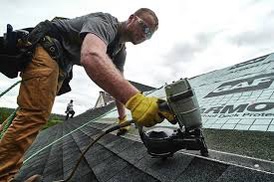

The Importance of Verifying Contractors’ Insurance and Asking for Referrals: A Guide to Selecting a Reliable Roofing Contractor

When it comes to hiring a roofing contractor, it’s crucial to prioritize your peace of mind and protect yourself from potential liabilities. Roofing projects are significant investments, and ensuring you select a reliable and reputable contractor is essential. Two key practices that can help you make an informed decision are verifying a contractor’s insurance coverage and asking for referrals. In this blog post, we will discuss why these steps are vital and how they can save you from unnecessary stress and financial risks.

  1. Verifying Contractors’ Insurance

Roofing is a demanding and sometimes hazardous job. Therefore, it’s crucial to ensure that the contractor you hire has proper insurance coverage. Here’s why this step is so important:

a) Protection for You and Your Property: A contractor with insurance protects you from any potential liability in case of accidents, injuries, or property damage that may occur during the project. In the absence of insurance, you may be held responsible for medical bills or property repairs.

b) Legitimacy and Professionalism: Insurance coverage indicates that the contractor is serious about their work and has taken necessary precautions to safeguard their clients. It demonstrates their professionalism and commitment to providing quality service.

c) Compliance with Legal Requirements: Reputable contractors understand the legal requirements and regulations of their industry. By verifying their insurance, you can confirm that they are compliant with state and local laws, which is essential for your own protection.

  1. Asking for Referrals

While insurance provides protection, referrals offer insights into a contractor’s reputation, reliability, and quality of work. Here’s why asking for referrals is essential:

a) Real-World Feedback: Referrals provide you with the opportunity to gather firsthand experiences from previous clients. They offer insights regarding the contractor’s workmanship, reliability, communication, and adherence to deadlines.

b) Confidence in Quality: When you receive positive referrals from satisfied customers, it gives you confidence that the contractor can deliver the quality of work you expect. It also helps minimize the risk of shoddy craftsmanship or subpar materials being used.

c) Assurance of Professionalism: Referrals allow you to gauge the contractor’s professionalism, including their approach to customer service, communication, and problem-solving. Contractors who consistently receive positive referrals are more likely to provide a smooth and satisfactory experience.

Conclusion

Selecting the right roofing contractor is crucial for the success and longevity of your roofing project. By verifying a contractor’s insurance coverage and seeking referrals, you can ensure your investment is protected, reduce potential liabilities, and have confidence in the quality of workmanship. Remember, it’s worth taking the time to conduct due diligence before hiring a contractor, as it can save you from unnecessary stress, financial risks, and disappointment.

Always ask for proof of insurance and contact the insurance provider to verify its validity. Additionally, reach out to friends, family, or neighbors who have recently had roofing work done or consult reputable online review platforms to gather referrals. By combining these practices, you will be well on your way to finding a reliable roofing contractor who will exceed your expectations.
Advanced technology allows a homeowner to have a superior roof that reduces smog

In today’s world, where concerns about environmental pollution and climate change are on the rise, it is crucial to adopt sustainable practices in all aspects of our lives, including the materials we choose for our homes. Malarkey Roofing Products, a leading innovator in the roofing industry, has introduced a game-changing solution to combat air pollution – smog-reducing granules. In this blog post, we will dive into the remarkable features and potential impact of Malarkey Roofing’s smog-reducing granules.

Understanding the Problem:

Air pollution is a global issue affecting both urban and rural areas. The release of harmful particles, such as nitrogen oxides (NOx), into the atmosphere contributes to the formation of smog and poses significant health risks. Traditional roofing materials, like asphalt shingles, can exacerbate this problem by releasing NOx compounds into the air when exposed to sunlight. Malarkey Roofing recognized this concern and set out to develop a solution that would contribute to cleaner air while still providing excellent roofing products.

The Innovative Solution:

Malarkey Roofing’s smog-reducing granules are a remarkable breakthrough in sustainable roofing technology. These granules contain a photocatalytic coating made of titanium dioxide (TiO2), which is a powerful catalyst when exposed to ultraviolet (UV) light. When sunlight hits the roof, the TiO2 coating triggers a chemical reaction that transforms NOx particles into harmless nitrates.

How Do Smog-Reducing Granules Work?

When NOx particles come into contact with Malarkey Roofing’s smog-reducing granules, the photocatalytic coating catalyzes a reaction that breaks down the harmful compounds into nitrates. These nitrates then wash away with rainwater, leaving the air cleaner and fresher. This innovative approach not only reduces smog levels but also helps combat acid rain, as nitrates are less harmful to the environment.

Benefits of Malarkey Roofing’s Smog-Reducing Granules:

  1. Improved Air Quality: By actively reducing NOx particles in the surrounding environment, buildings with Malarkey Roofing’s smog-reducing granules contribute to cleaner air for everyone.
  2. Enhanced Durability: Malarkey Roofing’s granules are designed to withstand the harsh elements, ensuring long-lasting roof protection while simultaneously combating air pollution.
  3. Energy Efficiency: The reflective properties of these granules help reduce heat absorption, leading to lower cooling costs and increased energy efficiency within the building.
  4. Environmentally Friendly: Malarkey Roofing’s commitment to sustainable practices extends beyond air pollution reduction. Their granules are made from recycled materials, further minimizing the carbon footprint associated with roof installations.

Conclusion:

Malarkey Roofing Products has set a new benchmark in the roofing industry with their smog-reducing granules. By combining advanced technology with a commitment to sustainability, they offer homeowners and businesses an opportunity to contribute to cleaner air and combat the adverse effects of air pollution. With Malarkey Roofing’s smog-reducing granules, we can protect our homes, enhance energy efficiency, and play our part in building a healthier environment for future generations.

Remember, when it comes to choosing roofing materials, Malarkey Roofing’s smog-reducing granules are paving the way toward a greener and cleaner future.

How to Determine if Your Shingle Roof Sustained Storm Damage

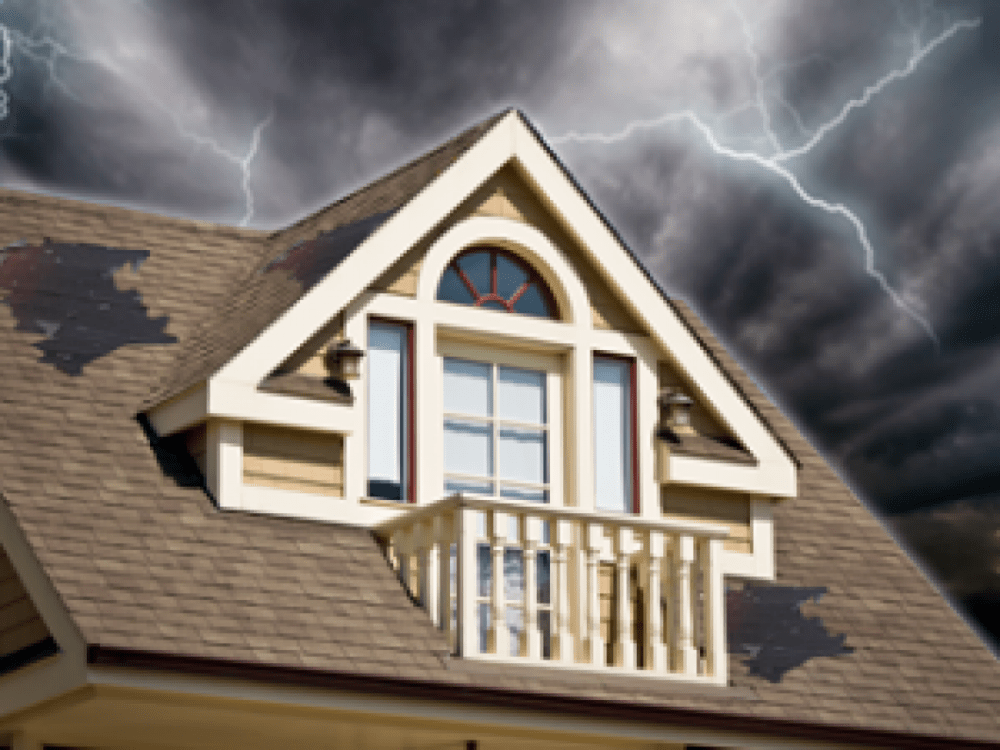
Your roof is your home’s first line of defense against the elements, and it’s no surprise that it often bears the brunt of severe weather conditions. Storms can cause significant damage to a shingle roof, leading to leaks, compromised structural integrity, and decreased lifespan. Identifying storm damage promptly is crucial to preventing further deterioration and ensuring prompt repairs. In this blog post, we’ll guide you through the process of determining whether your shingle roof has suffered storm damage or not.

Conduct an Exterior Inspection:

The first step in assessing storm damage is to conduct a thorough visual examination of your roof from the ground. While it’s always recommended to hire a professional roofing contractor for a comprehensive inspection, there are some signs you can look for yourself:

  • Missing or loose shingles: High winds can dislodge or tear off shingles, leaving gaps in your roof’s protective barrier. Look for any visible signs of missing or damaged shingles.
  • Dented or dinged metal components: Check for dents or deformations on metal roof components such as flashing, gutters, or vents. Hailstorms can cause significant damage to these elements.
  • Cracked or broken shingles: Inspect your shingles for cracks, splits, or any obvious signs of breakage. Hail or falling debris can cause such damage.
  • Granule loss: Examine the ground near your downspouts for an excessive amount of granules. Granule loss is a common indication of hail damage or general wear and tear.

Interior Inspection:

Storm damage may not always be apparent from the outside. Conducting an interior inspection can help identify leaks or water damage that may have occurred during the storm:

  • Attic inspection: Enter your attic during daylight hours and look for any signs of water infiltration, such as wet spots, discoloration, or mold/mildew growth. Pay attention to the areas directly beneath the roof, as this is where leaks often occur.
  • Ceiling and wall examination: Inspect your ceilings and walls for any water stains, discoloration, or peeling paint. These signs could indicate a leak from damaged roof components.

Engage a Professional Roofing Contractor:

While conducting a preliminary inspection is essential, it’s always wise to consult a professional roofing contractor to thoroughly assess and document the damage. A trained eye can detect subtle signs that may go unnoticed to an untrained homeowner. They can provide a detailed inspection report and advise you on the necessary repairs or potential insurance claims.

Conclusion:

Promptly identifying storm damage on your shingle roof is crucial to prevent further deterioration, protect your home’s interior, and avoid costly repairs in the long run. While conducting an exterior and interior inspection can help you identify visible signs of damage, it’s always recommended to engage a professional roofing contractor for a comprehensive assessment. Remember, timely repairs ensure the longevity and functionality of your roof, keeping your home safe and secure for years to come.

The Downsides of Installing a Satellite Dish on Your Roof: A Homeowner’s Perspective

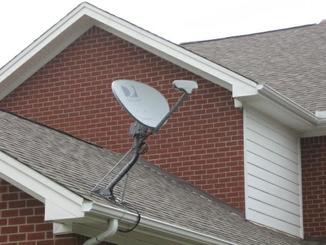
In an era where television and internet services are constantly evolving, homeowners often find themselves exploring various options to enhance their entertainment experience. One such option is installing a satellite dish on the roof. While it might seem like an attractive solution at first, there are several downsides that homeowners should carefully consider before making this decision. In this blog post, we will discuss why installing a satellite dish on your roof may not be the best idea.

  1. Aesthetics and Property Value:
    The visual impact of a satellite dish on a rooftop is often considered an eyesore by many homeowners. It disrupts the overall aesthetic appeal of the property and can even decrease its market value. Potential buyers or neighbors might be put off by the presence of a large dish on the roof, affecting the curb appeal of your home.
  2. Roof Damage and Maintenance:
    Installing a satellite dish requires drilling holes into the roof, which can potentially lead to leaks and roof damage. The constant exposure to changing weather conditions can cause corrosion and wear on the dish and mounting equipment, requiring regular maintenance and repairs. This additional burden of upkeep can become costly and time-consuming for homeowners.
  3. Restricted Placement and Line of Sight:
    Satellite dishes need an unobstructed line of sight to the satellite in space, which means they require proper placement and alignment. This restriction often limits the possible locations for installation, as trees, neighboring buildings, or other obstructions can interfere with the signal reception. Homeowners might find themselves compromising on the best location, leading to suboptimal signal quality.
  4. Limited Flexibility and Technological Advancements:
    Once a satellite dish is installed, it becomes a permanent fixture on your roof. With the rapid advancements in entertainment technologies, homeowners may miss out on future options that could provide superior services or better compatibility. Streaming services and cable providers, for example, are constantly improving their offerings, and being locked into a satellite dish might restrict your access to these advancements.
  5. Potential Legal and HOA Restrictions:
    Before installing a satellite dish, homeowners need to be aware of any legal or Homeowner Association (HOA) restrictions in their area. Some municipalities have regulations regarding the size, placement, and visibility of satellite dishes. Violating these restrictions can result in fines and legal consequences, making it essential to research and adhere to the rules in your locality.

Conclusion:
While the allure of a satellite dish on your roof may seem appealing initially, it is crucial for homeowners to consider the downsides before making a decision. The impact on aesthetics, potential roof damage, restricted placement requirements, limited flexibility, and legal restrictions are significant factors to be taken into account. Exploring alternative options such as streaming services or cable providers may offer a more convenient and hassle-free entertainment experience without the drawbacks associated with satellite dish installations.

The Advantages of SBS Shingles: Redefining Durability and Performance

When it comes to roofing, choosing the right materials is crucial for ensuring long-term protection and aesthetic appeal. Among the various options available, SBS (Styrene-Butadiene-Styrene) shingles have emerged as a game-changer in the roofing industry. Unlike traditional shingles, SBS shingles are engineered to withstand the harshest of weather conditions while delivering unparalleled durability and performance. In this blog post, we will explore the advantages that SBS shingles offer over traditional shingles, and why they are worth considering for your next roofing project.

  1. Enhanced Durability:
    One of the standout features of SBS shingles is their exceptional durability. SBS shingles are constructed using a blend of asphalt and rubber polymers, which makes them highly resistant to impact, wind, and extreme temperature fluctuations. The rubber content in SBS shingles provides flexibility, allowing them to expand and contract without cracking or becoming brittle over time. This durability translates into a longer lifespan for your roof, saving you money on frequent repairs or replacements.
  2. Superior Weather Resistance:
    SBS shingles are specifically designed to withstand harsh weather conditions, making them ideal for regions prone to extreme weather patterns. The rubberized composition enhances their resistance to hail, strong winds, and heavy rain, reducing the risk of leaks and water damage. Furthermore, SBS shingles have a higher resistance to UV rays, preventing premature fading or discoloration, which can affect the curb appeal of your property.
  3. Enhanced Energy Efficiency:
    SBS shingles are not only durable but also energy-efficient. The rubberized composition provides better insulation properties, helping to regulate indoor temperature and reduce energy consumption. By minimizing heat transfer, SBS shingles can lower your heating and cooling costs, making them an eco-friendly choice for homeowners.
  4. Noise Reduction:
    The rubberized composition of SBS shingles contributes to their excellent soundproofing capabilities. Whether it’s rain, hail, or other external noises, SBS shingles can significantly dampen the sound, providing a quieter and more peaceful living environment. This advantage is particularly beneficial for properties located in noisy neighborhoods or near busy streets.
  5. Easy Installation and Maintenance:
    SBS shingles are relatively easy to install, thanks to their flexibility and ease of handling. Roofing professionals can quickly and efficiently install them, saving you time and money on labor costs. Additionally, SBS shingles require minimal maintenance. Their durable nature means they can withstand the test of time with little intervention. Regular inspections and occasional cleaning are usually sufficient to keep them in optimal condition.

Conclusion:
When it comes to roofing materials, SBS shingles undoubtedly offer a range of advantages over traditional shingles. From enhanced durability and weather resistance to improved energy efficiency and noise reduction, SBS shingles provide homeowners with a reliable and long-lasting roofing solution. Though they may come at a slightly higher initial cost, the long-term benefits and peace of mind they offer make them a worthwhile investment. So, if you’re considering a roofing upgrade or replacement, SBS shingles should definitely be on your radar.

The importance of paying your deductible when replacing your roof.

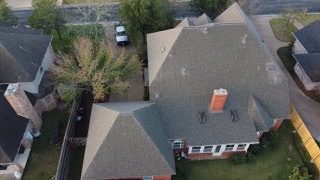
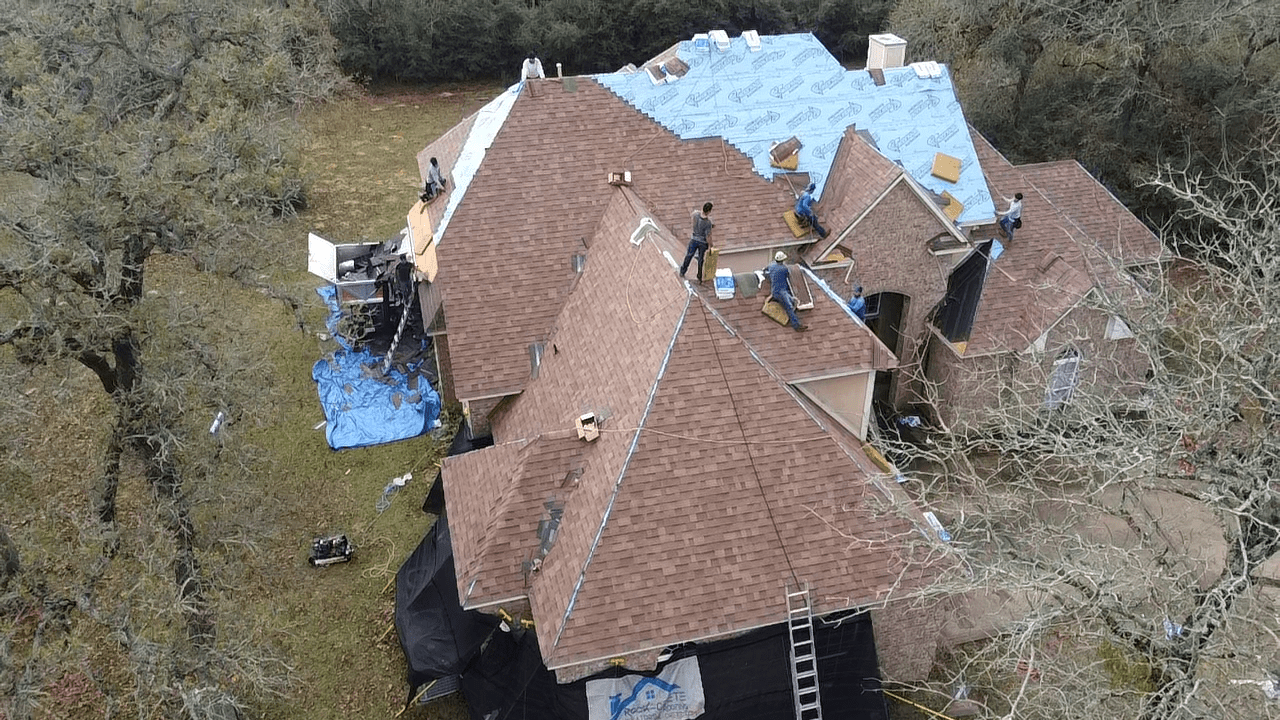
Roof Replacement Aerial

On September 1, 2019, Texas House Bill 2102 came into effect, bringing about significant changes in the realm of roof replacement deductibles. This legislation aims to address concerns within the roofing industry, specifically the practice of contractors waiving or refunding deductibles on roof claims. This article will explore the details of Texas House Bill 2102, its implications for deductibles when replacing a roof, and the potential ramifications for contractors who choose to waive or refund these deductibles.

Understanding Texas House Bill 2102

Texas House Bill 2102 was introduced to regulate the relationship between homeowners, insurance carriers, and contractors involved in roof replacement projects. The key aspect of the bill focuses on the prohibition of contractors waiving or refunding insurance deductibles on roof claims, except in specific circumstances.

Deductibles and Roof Replacement

Typically, when homeowners file an insurance claim for roof damage, they are responsible for paying a deductible before the insurance coverage kicks in. The deductible is a predetermined amount agreed upon in their insurance policy. Prior to the implementation of House Bill 2102, some contractors would offer to waive or refund this deductible as an incentive to secure the job. This practice is considered problematic because it often leads to inflated billing, insurance fraud, and reduced quality in roof replacements.

Impact of House Bill 2102

The passing of Texas House Bill 2102 aims to curb the aforementioned issues associated with deductible waivers or refunds. The bill prohibits contractors from offering to pay, waive, rebate, or promise to pay any portion of a homeowner’s insurance deductible. By doing so, it promotes transparency, discourages fraud, and ensures that homeowners receive accurate estimates for roof replacements.

Ramifications for Contractors

Contractors who violate the provisions of House Bill 2102 by waiving or refunding deductibles can face severe consequences. Violations can result in criminal charges, civil penalties, the suspension or revocation of licenses, and potential damage to their reputation. It is essential for contractors to understand and comply with the new legislation to avoid legal issues and maintain ethical practices.

Importance of Compliance

The implementation of House Bill 2102 emphasizes the importance of fair business practices within the roofing industry. By eliminating the practice of waiving or refunding deductibles, the bill ensures that homeowners receive accurate estimates and quality workmanship without compromising insurance integrity.

Conclusion

Texas House Bill 2102, enacted on September 1, 2019, serves as a significant regulation within the roofing industry, particularly concerning deductible waivers or refunds. By prohibiting contractors from waiving or refunding deductibles, this legislation promotes transparency, discourages fraud, and maintains the integrity of insurance claims. Contractors must comply with the bill’s provisions to avoid legal consequences and uphold ethical practices. Homeowners can now be confident in receiving accurate estimates and quality roof replacements without compromise.

How to tell your shingle roof is getting old and needs to be replaced.

Is your shingle roof showing signs of wear and tear? Are you wondering if it’s time to replace it? As a homeowner, it’s important to keep an eye out for any signs that indicate the need for a new roof. Ignoring these signs can lead to more extensive damage and costly repairs down the line. In this blog post, we will discuss some key signs that indicate it’s time to replace your shingle roof.

  1. Age of the Roof: One of the first things to consider is the age of your roof. Most shingle roofs have a lifespan of about 20-25 years. If your roof is approaching or has surpassed this age, it’s time to start thinking about a replacement. Even if it appears to be in good condition, the materials may have deteriorated over time, leaving your home vulnerable to leaks and other issues.
  2. Curling or Buckling Shingles: Take a close look at your roof’s shingles. Do you notice any curling or buckling? This is a clear sign that your shingles are reaching the end of their lifespan. Curling shingles are more susceptible to wind damage and can allow water to seep underneath, causing leaks and rot.
  3. Missing or Damaged Shingles: Are there any shingles missing from your roof? Are some shingles cracked, blistered, or showing signs of granule loss? These are all indications that your roof needs attention. Missing or damaged shingles expose your home to water damage, which can lead to mold growth, structural issues, and even compromise the safety of your property.
  4. Granule Accumulation in Gutters: Check your gutters for an excessive accumulation of granules. Shingles are coated with granules to protect them from UV rays and provide fire resistance. Over time, these granules start to shed, indicating that your shingles are deteriorating. If you notice a significant amount of granules in your gutters, it’s a sign that your roof may need replacement.
  5. Leaks and Water Stains: If you start noticing water stains on your ceilings or walls, it’s a clear indication of a roof leak. While some leaks can be repaired, frequent leaks are a sign that your roof’s integrity has been compromised. Ignoring leaks can lead to extensive water damage, mold growth, and even structural issues. It’s crucial to address these issues promptly.
  6. Increased Energy Bills: Have you noticed a sudden increase in your energy bills? This could be an indication that your roof is no longer providing adequate insulation. As shingles age, they lose their ability to regulate temperature effectively, leading to increased heating or cooling costs. A new roof can help improve energy efficiency and reduce your monthly expenses.
  7. Sagging Roof Deck: If you notice any sagging areas on your roof, it’s a serious sign of structural damage. A sagging roof deck can be caused by moisture infiltration, rot, or even improper installation. It’s essential to address this issue promptly as it poses a safety hazard and can lead to further damage if left unattended.

Replacing a shingle roof is a significant investment, but it’s crucial for maintaining the integrity and safety of your home. If you notice any of these signs, it’s best to consult with a professional roofing contractor. They can assess the condition of your roof and provide you with the best course of action. Remember, timely replacement can save you from more extensive and costly repairs in the future, so don’t wait until it’s too late.

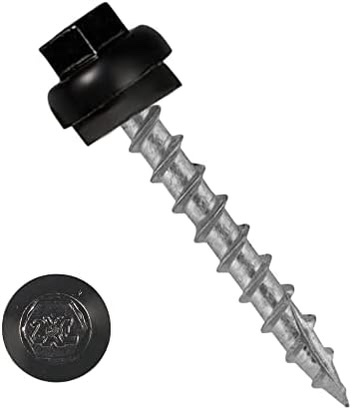
Should I use lifetime roofing screws when installing a R Panel Roof?

When it comes to installing a robust and durable roofing system, one crucial factor that often gets overlooked is the type of screws used. While traditional roofing screws have been the go-to option for many years, lifetime roofing screws are now gaining popularity due to their numerous advantages. In this blog post, we will explore why lifetime roofing screws are a superior choice when installing an R panel roof.

First and foremost, lifetime roofing screws are specifically designed to withstand the test of time. Unlike traditional screws, which may rust or corrode over time, these screws are made from high-quality materials such as stainless steel or coated with corrosion-resistant compounds. This ensures that they can withstand harsh weather conditions, extreme temperatures, and constant exposure to moisture, without compromising their structural integrity.

One of the primary benefits of lifetime roofing screws is their exceptional longevity. As the name suggests, these screws are built to last a lifetime. With their superior materials and construction, they offer unmatched durability, reducing the need for frequent repairs or replacements. This not only saves you money in the long run but also provides peace of mind knowing that your roof is protected by reliable fasteners.

Another advantage of lifetime roofing screws is their superior holding power. These screws are designed with innovative features such as self-drilling tips and specialized threads, allowing for effortless installation and a secure hold. This ensures that the R panel roof is firmly attached to the underlying structure, minimizing the risk of leaks, wind uplift, or other structural damage. Additionally, the advanced design of lifetime roofing screws allows for easy removal and reinstallation if necessary, making future repairs or modifications hassle-free.

When it comes to aesthetics, lifetime roofing screws also have an edge over traditional screws. These screws are available in a variety of colors and finishes, allowing them to blend seamlessly with your R panel roof. This ensures a visually appealing and cohesive look, enhancing the overall appearance of your property.

Moreover, lifetime roofing screws are often accompanied by extensive warranties, providing added assurance and protection. These warranties typically cover defects in materials or workmanship, ensuring that you are covered in case of any unforeseen issues. This further demonstrates the manufacturer’s confidence in the quality and durability of their product.

In conclusion, when installing an R panel roof, opting for lifetime roofing screws is a wise decision. Their superior materials, durability, holding power, and aesthetic options make them a reliable and long-lasting choice. Investing in quality screws ensures that your roof remains secure, protected, and visually appealing for years to come. So, next time you embark on a roofing project, consider the benefits of lifetime roofing screws and enjoy the peace of mind that comes with a top-notch roofing system.

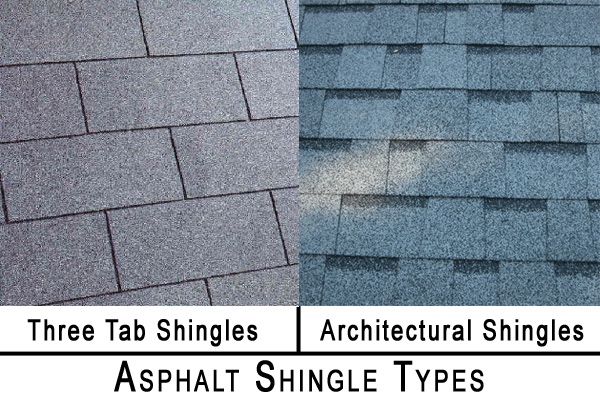
The difference between 3 Tab Shingles and Architectural Shingles

When it comes to roofing materials, there are a variety of options available in the market. Two of the most popular choices are architectural shingles and 3-tab shingles. While both serve the purpose of protecting your home from the elements, there are some key differences between the two. In this blog post, we will explore these differences, helping you make an informed decision when it’s time to replace your roof.

  1. Aesthetic Appeal:
    Architectural shingles, also known as dimensional or laminate shingles, are designed to mimic the look of natural materials like wood or slate. They have a multi-dimensional appearance due to their layered construction, which adds depth and texture to your roof. On the other hand, 3-tab shingles have a more uniform, flat appearance, with three tabs per shingle. They provide a classic, traditional look.
  2. Durability:
    Architectural shingles are generally more durable than 3-tab shingles. They are made with multiple layers of asphalt and fiberglass, which make them thicker and more resistant to wind, hail, and other weather conditions. These shingles often come with longer warranties, reflecting their superior durability. In contrast, 3-tab shingles are thinner and more susceptible to damage from strong winds or heavy impact.
  3. Lifespan:
    Due to their enhanced durability, architectural shingles tend to have a longer lifespan compared to 3-tab shingles. On average, architectural shingles can last anywhere from 25 to 50 years, depending on the quality of the material and proper maintenance. 3-tab shingles, on the other hand, have a lifespan of about 15 to 20 years. Investing in architectural shingles may save you money in the long run by reducing the need for frequent roof replacements.
  4. Cost:
    When it comes to upfront costs, 3-tab shingles are generally the more affordable option. They are manufactured in a simpler, more standardized design, which makes them less expensive to produce. On the other hand, architectural shingles are a bit pricier due to their higher quality and more intricate construction. However, considering their longer lifespan and enhanced durability, architectural shingles may provide better value for your investment.
  5. Resale Value:
    If you are planning to sell your home in the future, the type of shingles you choose can have an impact on its resale value. Architectural shingles are considered an upgrade and can enhance the overall aesthetics of your property. This can be appealing to potential buyers and may increase the resale value of your home. 3-tab shingles, while functional, may not have the same visual appeal and may not have as much impact on your home’s value.

In conclusion, both architectural shingles and 3-tab shingles have their own advantages and considerations. While architectural shingles offer enhanced durability, a longer lifespan, and greater aesthetic appeal, 3-tab shingles are more budget-friendly. Consider your budget, the desired look for your home, and the long-term benefits when deciding which option is right for you. Ultimately, consulting with a professional roofing contractor can provide you with expert advice tailored to your specific needs and budget.

Why Six Nails Are Better Than Four in an Architectural Shingle

Why Six Nails Are Better Than Four in an Architectural Shingle

Introduction:
When it comes to installing architectural shingles, the number of nails used plays a crucial role in ensuring the longevity and durability of the roofing system. While some may argue that four nails are sufficient, recent advancements and industry best practices suggest that using six nails provides better overall performance and protection. In this blog post, we will explore the reasons why six nails are better than four when it comes to installing architectural shingles.

  1. Enhanced Wind Resistance:
    One of the primary reasons for using six nails instead of four is to enhance the wind resistance capabilities of the architectural shingles. High winds can exert significant pressure on the roof, and without sufficient fastening, shingles may lift or even blow off entirely. By adding two additional nails per shingle, the roof becomes more resistant to wind uplift, reducing the risk of damage during storms.
  2. Improved Stability:
    Another advantage of using six nails is the increased stability and overall strength they provide to the shingle system. Nails act as the primary anchor, securing the shingles to the roof deck. With six nails, the shingles are less prone to shifting or coming loose, ensuring a long-lasting and secure roofing structure.
  3. Better Warranty Compliance:
    Many architectural shingle manufacturers stipulate specific installation guidelines to maintain warranty coverage. In several cases, using six nails per shingle is a requirement to comply with warranty terms. By adhering to these guidelines, homeowners can protect their investment and avail themselves of warranty benefits should any issues arise in the future.
  4. Enhanced Aesthetics:
    Architectural shingles are designed to provide an attractive and visually appealing appearance to a home. By using six nails instead of four, the shingles lay flatter and more uniformly on the roof, resulting in a cleaner and more professional finish. The improved aesthetics not only enhance the curb appeal of a property but also add value to the overall aesthetic appeal of the neighborhood.
  5. Long-Term Cost Savings:
    While using six nails may require a slightly higher initial investment, it can lead to significant long-term cost savings. By ensuring the shingles are firmly secured to the roof, the risk of damage caused by wind, storms, or general wear and tear is minimized. This reduces the likelihood of costly repairs or premature replacement, ultimately saving homeowners money in the long run.

Conclusion:
When it comes to installing architectural shingles, it is clear that using six nails provides several advantages over using just four. The increased wind resistance, improved stability, warranty compliance, enhanced aesthetics, and long-term cost savings make six nails the better choice. Whether you are a homeowner or a roofing professional, it is crucial to follow industry best practices and manufacturer guidelines to ensure a durable and reliable roofing system. By investing in the right number of nails during installation, you can enjoy the peace of mind that comes with a strong and long-lasting architectural shingle roof.